

Our Science
We are developing platforms that can repair and control genes in cells or replace any cell in the body.
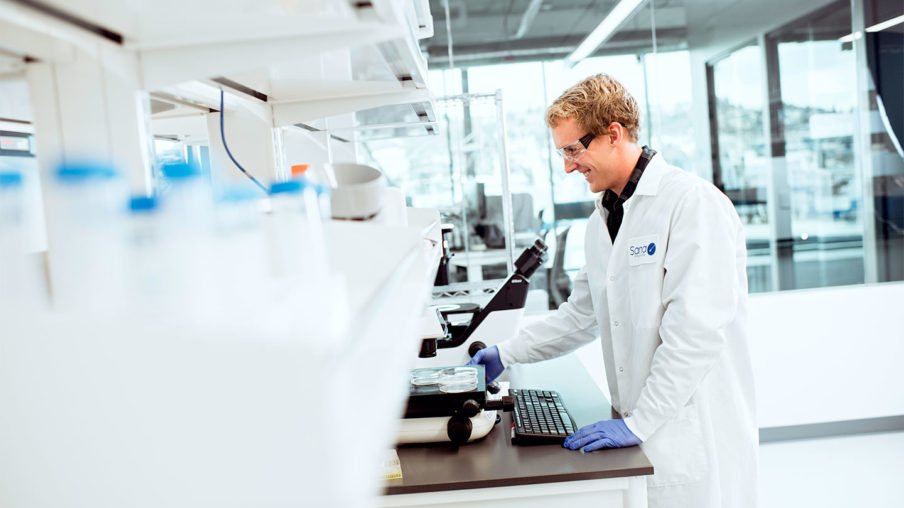
We work vigorously inside our laboratories and with partners outside the company to push forward understanding areas that we believe are critical to delivering our technologies as medicines.
Scalable manufacturing with a focus on its cost and working to align with key stakeholders will enable broader patient access to our therapies.
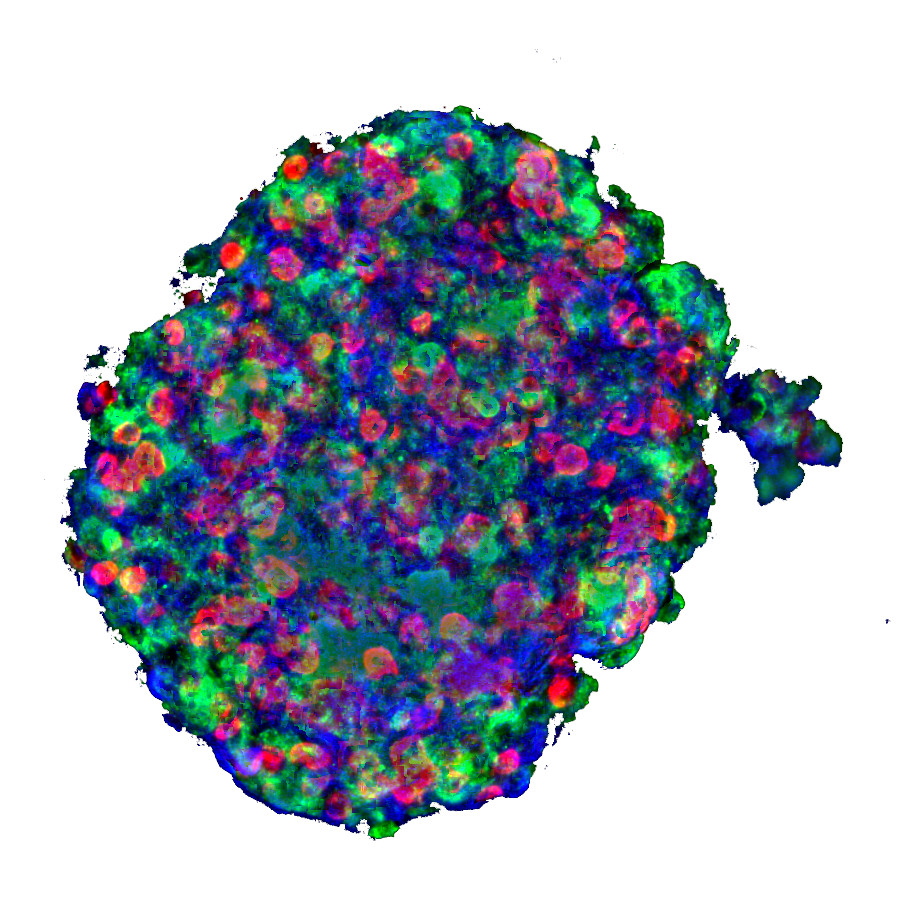
Scientists have made tremendous progress over the past decade in understanding how to modulate genes and use them now to make transformative medicines. The first wave of these transformative medicines has recently launched or is on pace to reach patients soon. However, the field is still in its infancy.
Assembling the right technologies is key to opening up therapeutic opportunities ranging from rare diseases caused by a single genetic mutation to acquired diseases that affect millions.
In our work, three aspirations guide us:
Imagine a world in which it is possible to replace pancreatic islet cells in patients with type 1 diabetes.
Differentiating stem cells into clinically needed cell types has the potential to transform the way we treat a host of diseases. Cell replacement therapy offers the opportunity to turn this vision into a reality.
The key challenges in the field are making the appropriate cells at scale and then having them engraft, function, and persist. Making impactful medicines in this field requires success in all of these components.
Sana scientists have worked over multiple years to better understand key biologic insights and made key insights that are driving this field forward. We believe that successful development of this capability will make cellular therapy products widely accessible.
Select Publications related to the Hypoimmune Platform:
- Survival of Transplanted Allogeneic Beta Cells with No Immunosuppression. August 2025. New England Journal of Medicine.
- Replacement of Beta Cells for Type 1 Diabetes. September 2025. New England Journal of Medicine.
- Hypoimmune islets achieve insulin independence after allogeneic transplantation in a fully immunocompetent non-human primate. March 2024. Cell Stem Cell.
- Hypoimmune induced pluripotent stem cells survive long term in fully immunocompetent, allogeneic rhesus macaques. May 2023. Nature Biotechnology.
- Human hypoimmune primary pancreatic islets avoid rejection and autoimmunity and alleviate diabetes in allogeneic humanized mice. April 2023. Science Translational Medicine.
- Hypoimmune anti-CD19 chimeric antigen receptor T cells provide lasting tumor control in fully immunocompetent allogeneic humanized mice. April 2023. Nature Communications.
Imagine a world in which it is possible to cure genetically inherited diseases and modify genes to create better therapeutics for acquired diseases. Sana’s in vivo Cell Engineering platform aims to provide solutions for patients that current gene therapies cannot address. Success will require creative science, experienced product and clinical development strategies, and aggregating important technologies.
Successful in vivo Cell Engineering relies on three core components – delivery, gene modification, and execution.